
The hidden psychological effects of gambling on decision-making processes
The psychological allure of gambling
The thrill of gambling extends beyond mere chance; it delves deep into the realm of psychology. Players often find themselves drawn to the excitement, as the anticipation of winning triggers the brain’s reward system. This release of dopamine can create a euphoric sensation, reinforcing the behavior and encouraging continued participation. Additionally, at platforms like casino kingpari, users can explore a diverse range of gaming experiences. Over time, this psychological reinforcement can shape decision-making processes, leading individuals to favor riskier choices in various aspects of their lives.
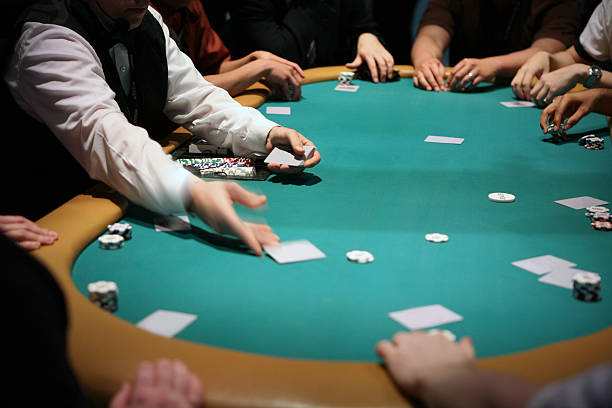
Moreover, the environment of a casino or online gaming platform is meticulously designed to enhance this allure. Bright lights, enticing sounds, and the omnipresent chance of winning create a sensory overload that can cloud rational thinking. This immersive atmosphere can lead players to underestimate risks, as the excitement overshadows logical reasoning. Consequently, their decision-making becomes influenced by emotional highs rather than grounded analysis.
This allure is compounded by the concept of loss aversion, a cognitive bias wherein individuals prefer to avoid losses rather than acquiring equivalent gains. In gambling, the desire to recover losses can propel players into making increasingly poor decisions, as they chase after their initial investment. This dynamic underlines the psychological effects gambling can have on an individual’s capacity to make sound judgments.
The impact of cognitive biases
Cognitive biases play a significant role in how individuals process information when engaging in gambling. One notable example is the illusion of control, where players believe they have influence over the outcome of games that are fundamentally based on chance. This can lead to overconfidence in their decision-making abilities, pushing them to place bets they might typically avoid under clearer reasoning.
Another cognitive bias that emerges is the gambler’s fallacy, the belief that past events influence future outcomes in random games. For example, a player might think that because a particular slot machine hasn’t paid out recently, it’s “due” for a win. Such misconceptions can distort rational decision-making and result in uncalibrated risk assessments, often leading to heavy losses.
These biases can create a feedback loop, where poor decision-making leads to negative outcomes, reinforcing the belief in the biases themselves. The psychological impact of such biases can extend beyond the gambling scenario, influencing a person’s everyday choices and interactions. This intertwining of gambling behavior with cognitive processes underscores the importance of understanding these psychological effects.
The role of technology in shaping gambling behavior
Modern technology has transformed the gambling landscape, providing unprecedented access and convenience. Online gaming platforms allow players to gamble from the comfort of their homes, which can intensify the psychological effects associated with gambling. This ease of access can erode traditional barriers to responsible play, making it easier for individuals to indulge in riskier behaviors.
Moreover, the use of algorithms and personalized marketing strategies can further exploit cognitive biases. For instance, online casinos often employ techniques that keep players engaged, such as tailored promotions or gamified experiences that create a sense of progression. This can amplify the psychological effects of gambling, as players may feel an emotional attachment to their gaming experience and continue to make decisions driven by these feelings rather than rational thinking.
The rise of social gambling platforms also has implications for decision-making processes. The presence of social cues, such as friends engaging in play or sharing successes, can heighten the excitement and peer pressure associated with gambling. This communal aspect can complicate individual decision-making, as players may be influenced by the behaviors and emotions of others, leading to choices they might not make in isolation.
Significant consequences of gambling on daily life
The consequences of gambling can ripple through various facets of an individual’s life. The psychological effects often extend beyond the gaming table, influencing relationships, financial stability, and mental health. As individuals become more immersed in gambling, their ability to make sound decisions can erode, impacting their personal and professional relationships.
Financially, the consequences can be dire. The urge to chase losses can lead to accumulating debt and significant economic strain. This financial pressure can result in impulsive decisions, such as borrowing money or engaging in unethical behavior to fund gambling activities. The relentless cycle of attempting to win back losses often leads to a downward spiral, with far-reaching effects on a person’s overall well-being.
Additionally, the psychological toll of gambling can contribute to stress, anxiety, and even depression. The conflicting emotions experienced during gambling, such as hope and despair, can create a turbulent mental landscape. This complexity can impede a person’s ability to make decisions across other life areas, illustrating the broader implications of gambling on decision-making processes.

KingPari Casino and responsible gaming
KingPari Casino is committed to promoting responsible gaming among its players. By providing a user-friendly platform that encourages awareness of the psychological effects of gambling, the casino emphasizes the importance of informed decision-making. Players are urged to understand their limits and the potential consequences of their actions within the gaming environment.
Educational resources and support services are readily available to assist players in recognizing unhealthy patterns and fostering responsible gambling behaviors. KingPari Casino believes that maintaining a healthy relationship with gaming is essential for enhancing the overall experience and preventing the negative psychological effects often associated with gambling.
By embracing responsible gaming practices, KingPari Casino strives to create an engaging yet secure environment where players can enjoy gaming without compromising their mental health or decision-making abilities. The platform emphasizes community, support, and awareness, highlighting the crucial link between psychology and gambling behavior.